
What Does Reps Mean in Shoes?
Target Audience: Replica sneaker sellers
Key Topics: reps meaning, UA grade, 1:1 mirror quality, replica vs retail, quality control, legal risks
📑 Table of Contents
- What Exactly Are "Reps"? – The Simple Answer for Your Customers
- Why Buyers Say "Reps" Instead of "Fakes"
- A Brief History – Explaining the Market Shift to Your Clients
- Terminology: UA, 1:1, and More – What to Put in Your Listings
- Retail vs. Replica – Side‑by‑Side Comparison Table (Your Go‑To Tool)
- How to Spot Flaws – Your In‑House Quality Inspection Guide
- Protecting Your Business – Scams That Even Replica Sellers Face
- Pros, Cons, and Legalities – What Every Replica Seller Must Know
- Conclusion – Thriving as a Professional in the Replica Market
- FAQ – Quick Answers for Your Customer Service Team
What Exactly Are "Reps"?
If you run a business selling high‑quality replica sneakers, you’ve probably noticed that your customers come with a lot of questions. They’ve seen terms like “UA” and “1:1” on your listings, but they still wonder:
- Are reps real?
- Are reps fake?
- Are reps shoes fake?
And they expect you, as the seller, to give them clear, honest answers.
In this guide, we’ll break down exactly what “reps” means in shoes, explain the slang, and walk you through everything you need to know about your product, your customers, and how to run a sustainable replica business. Whether you’re sourcing from overseas factories or managing a local store, this knowledge will help you communicate better, avoid disputes, and stay ahead of the competition.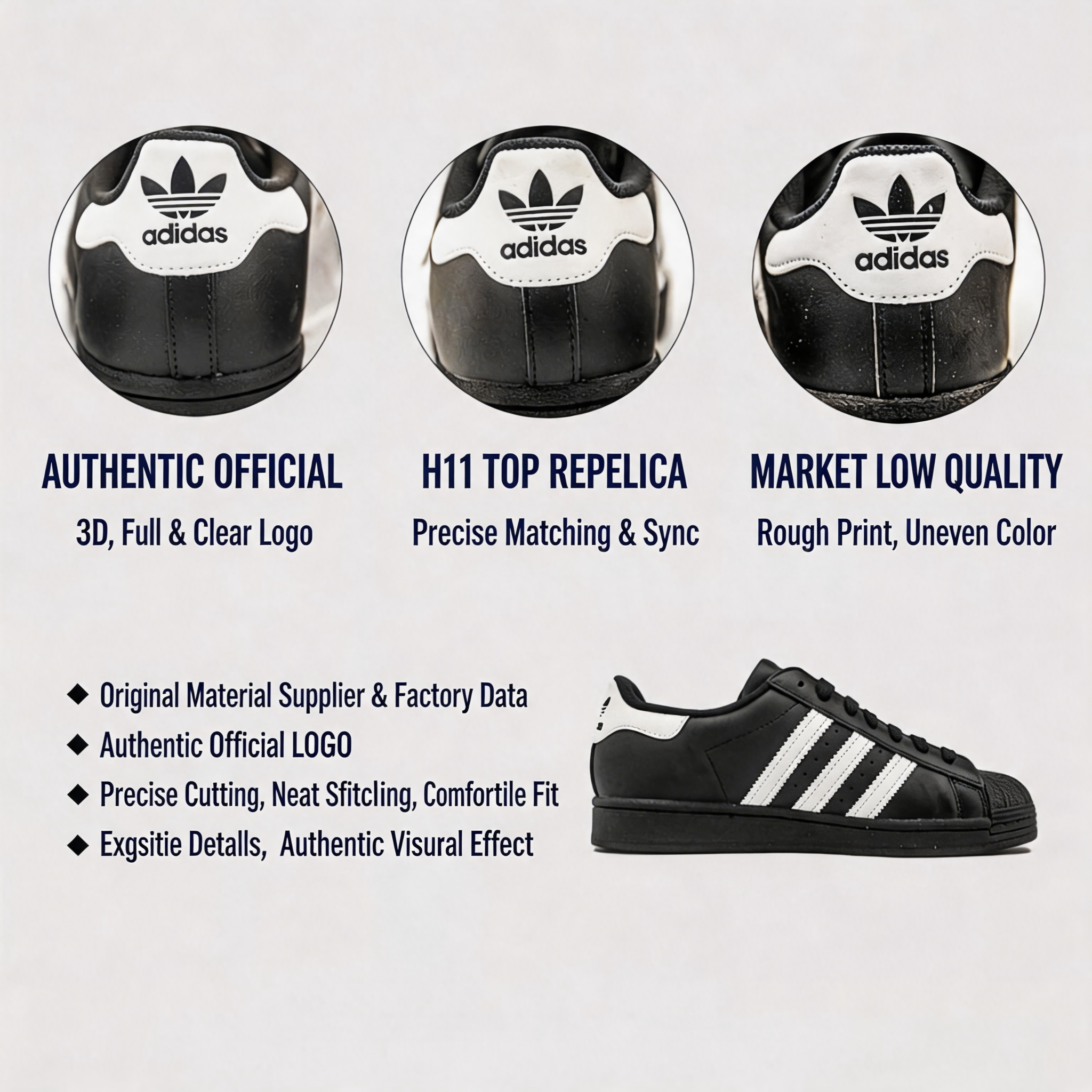
The Short Answer for Your Customers
When a buyer asks “What does reps mean in shoes?” your simplest answer is:
“Reps” is short for replicas.
In the sneaker world, reps meaning shoes refers to unauthorised copies of branded footwear – designed to look exactly like authentic releases from Nike, Adidas, New Balance, and others.
So, Are They Fake?
When customers ask “Are reps shoes fake?” the truthful answer is yes – they are not authorised, manufactured, or quality‑controlled by the original brand.
However, the term “reps” has evolved to distinguish today’s high‑quality copies from the cheap, obvious fakes of the past.
As a seller, you should never hide that fact; instead, you can educate your buyers on what they’re actually getting and why it’s a smart alternative for many sneaker fans.
Why Buyers Say “Reps” Instead of “Fakes”
This is a common question. The shift in language reflects the massive improvement in replica manufacturing.
- Old‑school fakes had crooked logos, terrible materials, and laughable colour mismatches.
- Today’s top‑tier replicas are so well‑made that they often fool even seasoned collectors.
Calling them “reps” rather than “fakes” signals a higher level of quality – and that’s a selling point you can leverage in your marketing.
A Brief History – Explaining the Market Shift to Your Clients
Understanding the history helps you position your product:
- Decades ago, “grey market” items were genuine shoes smuggled out of legitimate factories.
- Today, major brands have clamped down, so that loophole is gone.
- Modern replica factories reverse‑engineer authentic pairs using 3D scanning, source similar leathers, and employ skilled workers.
This evolution means the difference between reps and the actual shoes has shrunk dramatically – knowledge you can use to reassure hesitant buyers.
Terminology: UA, 1:1, and More – What to Put in Your Listings
Your customers will encounter terms like “UA” and “1:1” on your site or from competitors. You need to know exactly what they mean – and how to use them honestly.
What Does UA Grade Mean?
- UA stands for “Unauthorised Authentic.”
- Some sellers claim these are made in the same factories as retail, with the same materials, but sold off‑the‑clock.
In reality, that’s largely a marketing story – but for your customers, it’s a label that suggests higher quality. - As a replica seller, you can explain that UA is a tier of replica that aims to match authentic specs, but you should always clarify that it is still a replica, not a genuine retail pair.
1:1 Mirror Quality Explained
- “1:1” or “mirror quality” promises a perfect, stitch‑for‑stitch copy.
- While no replica is ever 100% identical (due to proprietary moulds and brand‑specific QC), some top batches come incredibly close.
- When a buyer asks “Are reps real?” because they see “1:1” advertised, you can honestly say:
“They are not authentic, but they are the closest visual match available – and for a fraction of the resale price.”
That transparency builds trust and reduces unrealistic expectations.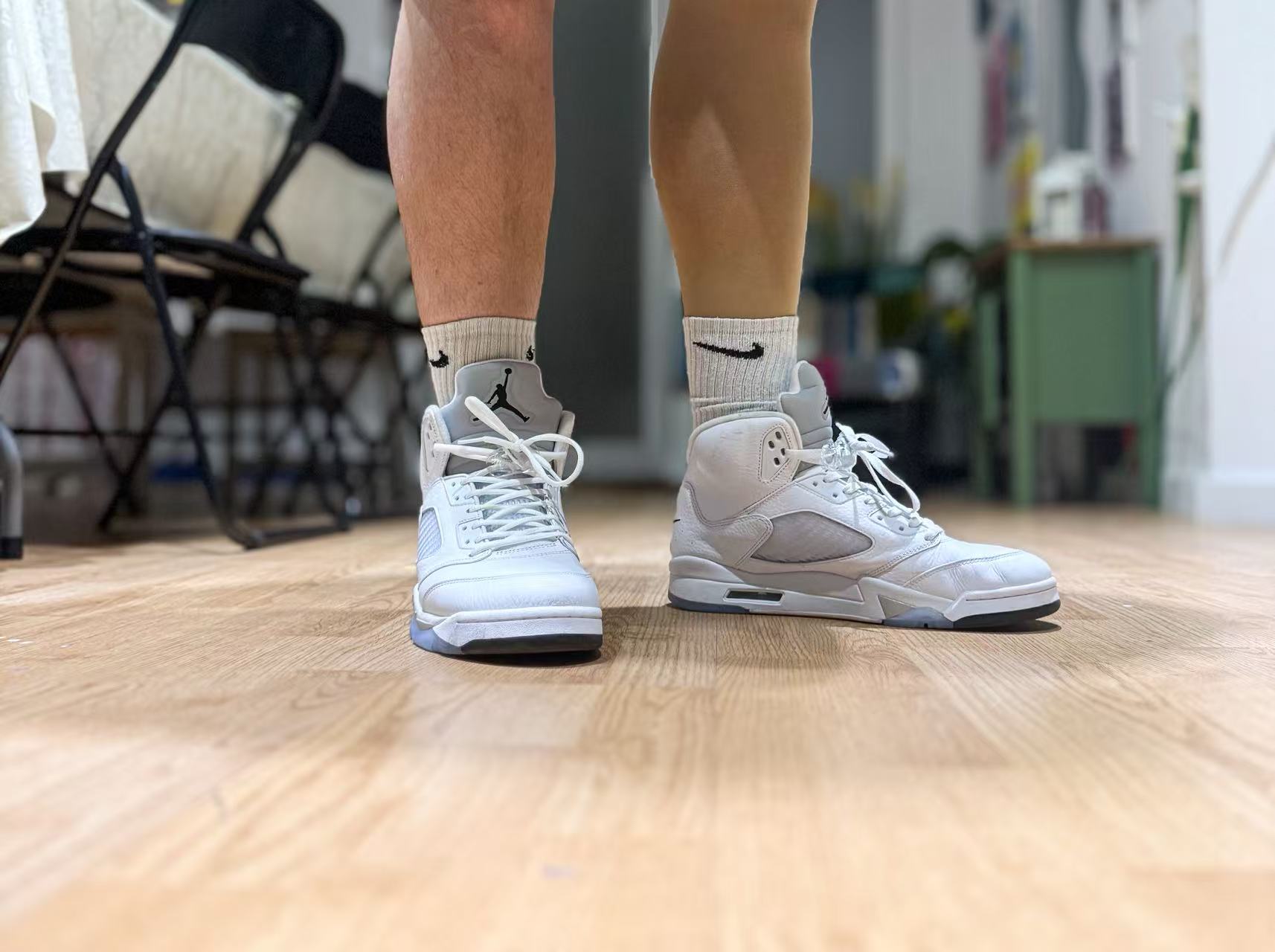
Retail vs. Replica – Side‑by‑Side Comparison Table
As a replica seller, understanding what are the differences between reps and the actual shoes is critical – not only to improve your own sourcing, but also to answer customer concerns and reduce returns. Here’s the breakdown:
| Aspect | Authentic Retail | High‑Tier Replica |
|---|---|---|
| Materials | Premium leather, suede, rubber – ages gracefully | Often uses similar but slightly cheaper materials; may crease or fade faster |
| Comfort & Tech | Proprietary cushioning (Boost, Air, etc.) with proven performance | Visually mimics the tech, but feel and durability may differ |
| Quality Control | Consistent sizing and finishing | Batch‑dependent; some have minor flaws, others are near‑perfect |
| Price | Retail or inflated resale ($100–$2,000+) | Usually 20–30% of resale price ($120–$150 for a $1,500 shoe) |
Pro Tip: This table is a perfect tool for your product descriptions. When customers ask “Are reps fake?” you can show them this comparison and explain that while they’re not “real” in the legal sense, they offer exceptional value for the look and feel.
How to Spot Flaws – Your In‑House Quality Inspection Guide
Even though you sell replicas, you still need to know how to spot flaws – both in your own stock and in competitors’ products. Use this checklist to inspect every batch you receive, and share it with your customers to show you care about quality.
1. Analyse the Box and Labels
Counterfeit factories often overlook packaging. Check the font, kerning, cardboard colour, and barcode alignment. If they match retail closely, your batch is better. If not, you can warn customers that the box is generic – but the shoe itself is what matters.
2. The Smell Test
Authentic factories use specific adhesives; replicas often use cheaper glues that emit a pungent chemical odour. If your shoes smell too strong, that’s a sign of lower‑quality materials – you might want to switch suppliers. On the other hand, some top‑tier reps now use near‑identical glues, eliminating that smell.
3. Check the Stitching
Authentic pairs have uniform, tight, evenly spaced stitches. Replicas may have frayed threads or inconsistent lengths. As a seller, you should inspect each pair and reject batches with obvious stitching errors – your customers will notice.
4. Examine the Insole and Under the Insole
Remove the insole – logo print quality and footbed stitching can reveal shortcuts. If yours look clean and neat, you’re offering a better product. Share these details in your product photos to build confidence.
5. Inspect the Size Tag
Font style, production codes, and alignment are notorious pitfalls. Compare your tags to retail images. A well‑made size tag is a sign of a higher‑tier replica – and a selling point you can highlight.
By mastering these points, you not only ensure your own quality but also equip your customers to distinguish your high‑grade reps from cheap, low‑end fakes. For additional verification, you can use third‑party authentication services like POIZON, a global leader in sneaker authentication with over 2,000 experts and 36.7 million items authenticated.
Protecting Your Business – Scams That Even Replica Sellers Face
You might not sell authentic shoes, but you still face risks – from dishonest suppliers, chargeback fraud, or customers trying to swap your product for an even lower‑quality copy. Here’s how to protect yourself:
- Vet your suppliers thoroughly – request sample batches, check for consistent quality, and build long‑term relationships.
- Use authentication apps – even though you sell reps, apps like CheckCheck, Legit App, or POIZON can help you verify that your product passes certain visual checks. Some sellers use these to benchmark their batches.
- Be transparent in your listings – clearly state that your shoes are “replicas” or “unauthorised.” This reduces disputes and keeps you on the right side of customer expectations (many platforms ban outright fakes, so honesty is safer).
Pros, Cons, and Legalities – What Every Replica Seller Must Know
Your customers will ask: Are replica shoes worth buying? And as a seller, you need to give them a balanced view – while also protecting your own business.
Pros for Your Customers
- Access to hard‑to‑find styles without paying insane resale prices.
- Near‑identical appearance for everyday wear or display.
Cons for Your Customers (and You)
- Materials and comfort may not last as long as retail – manage expectations.
- No legitimate resale value – they’re buying for personal use only.
- Health and safety? Reputable sellers avoid toxic glues, but lower‑tier batches can have issues – so source responsibly.
Legal Risks for You as a Seller
- In most Western countries, selling counterfeit goods is illegal and can lead to civil lawsuits, criminal charges, or payment processor bans.
- Importing large quantities can trigger customs seizures – your shipments may be destroyed, and you’ll lose your investment.
To minimise risk:
- Never misrepresent your products as authentic.
- Use clear disclaimers.
- Sell only to informed buyers.
- Consider operating in regions where enforcement is lighter, or switching to a “custom” or “inspired” model.
When a customer asks “Are reps real?” or “Are reps fake?” your honest answer should be:
“They are not authentic, but they are high‑quality reproductions. We never claim they are retail – we offer an affordable alternative.”
This approach builds a loyal customer base that appreciates your transparency.
Conclusion – Thriving as a Professional in the Replica Market
The replica sneaker industry is a thriving, complex ecosystem. By mastering reps meaning slang shoes, understanding what does reps mean in shoes, and being able to articulate reps meaning shoes clearly, you position yourself as a trustworthy expert in your niche.
When your customers ask “Are reps real?” or “Are reps shoes fake?” you give them the facts, the visual differences, and the tools to make an informed decision. You also protect yourself by setting realistic expectations and avoiding legal pitfalls.
Key Takeaways for Your Replica Business
- Source only from reliable factories and inspect every batch.
- Be upfront about what your products are – never deceive your buyers.
- Use the comparison table and authentication tips to educate your customers and reduce returns.
- Stay aware of legal risks and operate within your risk tolerance.
By running your business with honesty and quality control, you can thrive in this competitive market while keeping your customers happy and your reputation intact.
Related Guides (Internal Links)
FAQ – Quick Answers for Your Customer Service Team
Q: What does “reps” mean in shoes, and are they fake or real?
A: “Reps” is short for replicas – unauthorised copies that are not produced or approved by the original brand. They are not “real” in the legal sense, but many high‑tier reps are extremely close in look and feel to authentic pairs. We always clearly label our products as replicas.
Q: What does “UA grade” mean, and are UA shoes legit?
A: “UA” stands for “Unauthorised Authentic,” a term some sellers use to suggest factory‑origin quality. In practice, it’s a high‑tier replica – still unauthorised, but often better made than lower‑grade fakes.
Q: What is “1:1 mirror quality,” and can replicas be truly identical to retail?
A: “1:1” claims a perfect copy, but true 100% identical is rare due to proprietary materials and quality control. However, top‑tier replicas can be visually indistinguishable to most people, though differences in comfort and longevity may exist.
Q: How can I spot replica sneakers versus authentic pairs?
A: Use a systematic check: box/labels, smell, stitching, insole/footbed, and size tag. As a replica seller, we use these same checks to ensure our products meet high standards. For extra assurance, you can use authentication apps like POIZON, CheckCheck, or Legit App – they’re useful for benchmarking, too.
Q: Is it legal or safe to buy reps, and what are the risks?
A: Buying for personal use is often not strictly illegal in many countries, but selling or importing with intent to distribute can carry legal consequences. Risks include customs seizure, loss of money, and potential health issues from low‑quality materials. That’s why we source responsibly and advise our customers to understand these risks before purchasing.