
What Are Rep Shoes? (Honest Guide Before You Buy)
If you’ve spent any time looking at sneakers online, you’ve probably come across the term “rep shoes.” It usually comes up when people are interested in popular designs but are put off by resale prices.
For many releases, the retail price might be around $150–$200, but the resale market often pushes that much higher. Because of that gap, alternatives naturally get attention.
This article breaks down what rep shoes actually are, how they differ in quality, and when they might (or might not) make sense.
What Are Rep Shoes?
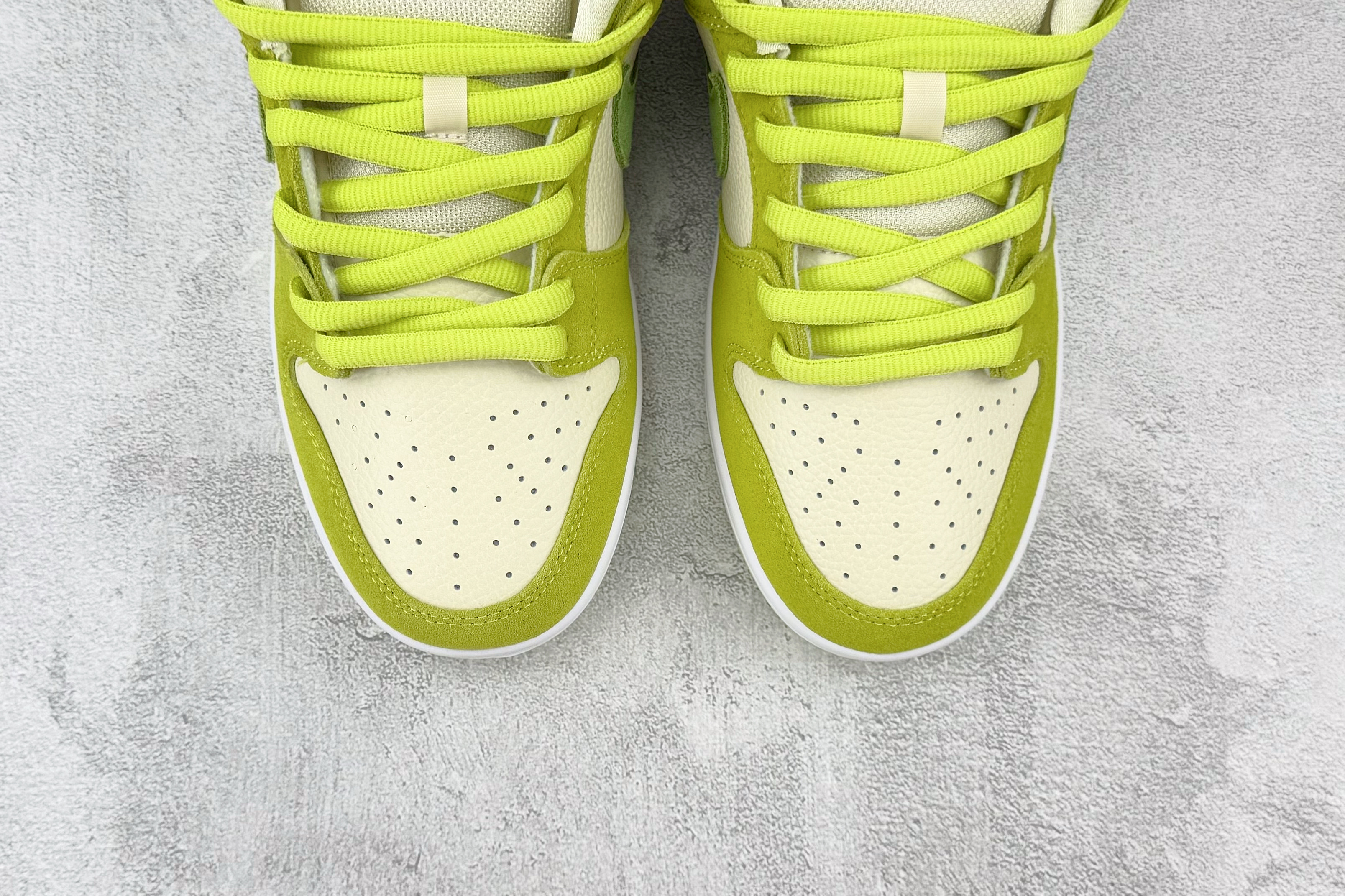
Rep shoes (short for replica shoes) are designed to resemble well-known sneaker models from brands like Nike, Adidas, or Jordan.
One important thing to understand is that quality varies a lot.
- Some pairs are poorly made and easy to identify
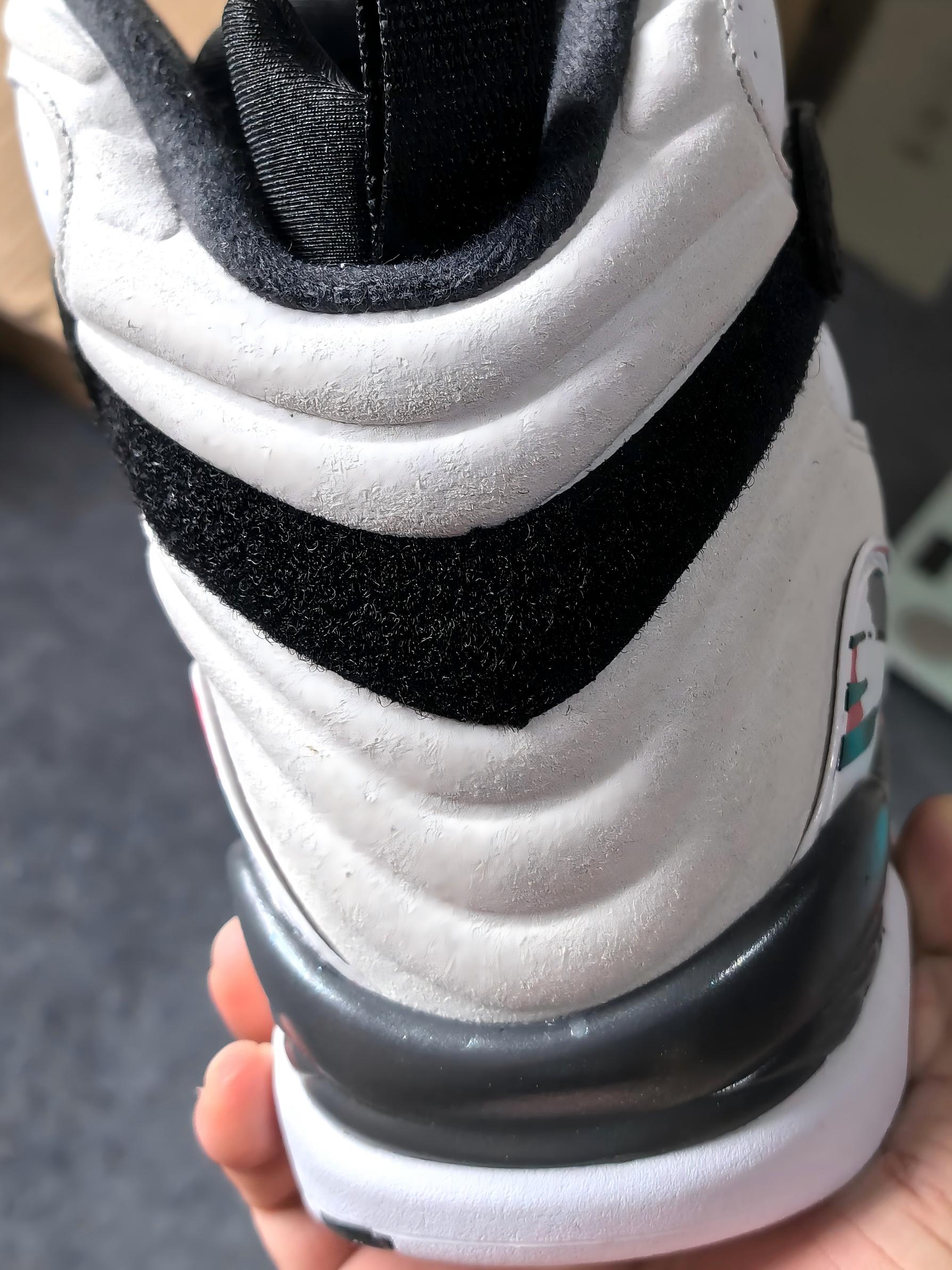
- Others are produced with a high level of detail and can look very close to retail
Because of that, discussions around rep shoes are usually less about “what they are” and more about whether they are a reasonable alternative depending on expectations.
A more detailed discussion around that question is covered here:
What are replica shoes?
Why People Consider Rep Shoes
Price Differences
One of the main reasons is the gap between retail and resale pricing. Limited releases often become significantly more expensive shortly after launch.
Limited Availability
Many popular sneakers are difficult to purchase at retail due to limited stock and automated buying tools.
Everyday Use
Not everyone is buying sneakers for collecting. For daily wear, some people prioritize appearance and comfort over brand origin.
Rep Shoes vs Retail: What’s Actually Different?
The differences depend heavily on the version:
- Appearance: Higher-tier pairs can be very close in overall look
- Materials: There are often small differences in fabric, leather, or finishing
- Consistency: Retail pairs are standardized, while reps can vary between batches
For most casual use, the gap may not be as noticeable as people expect, but it still exists.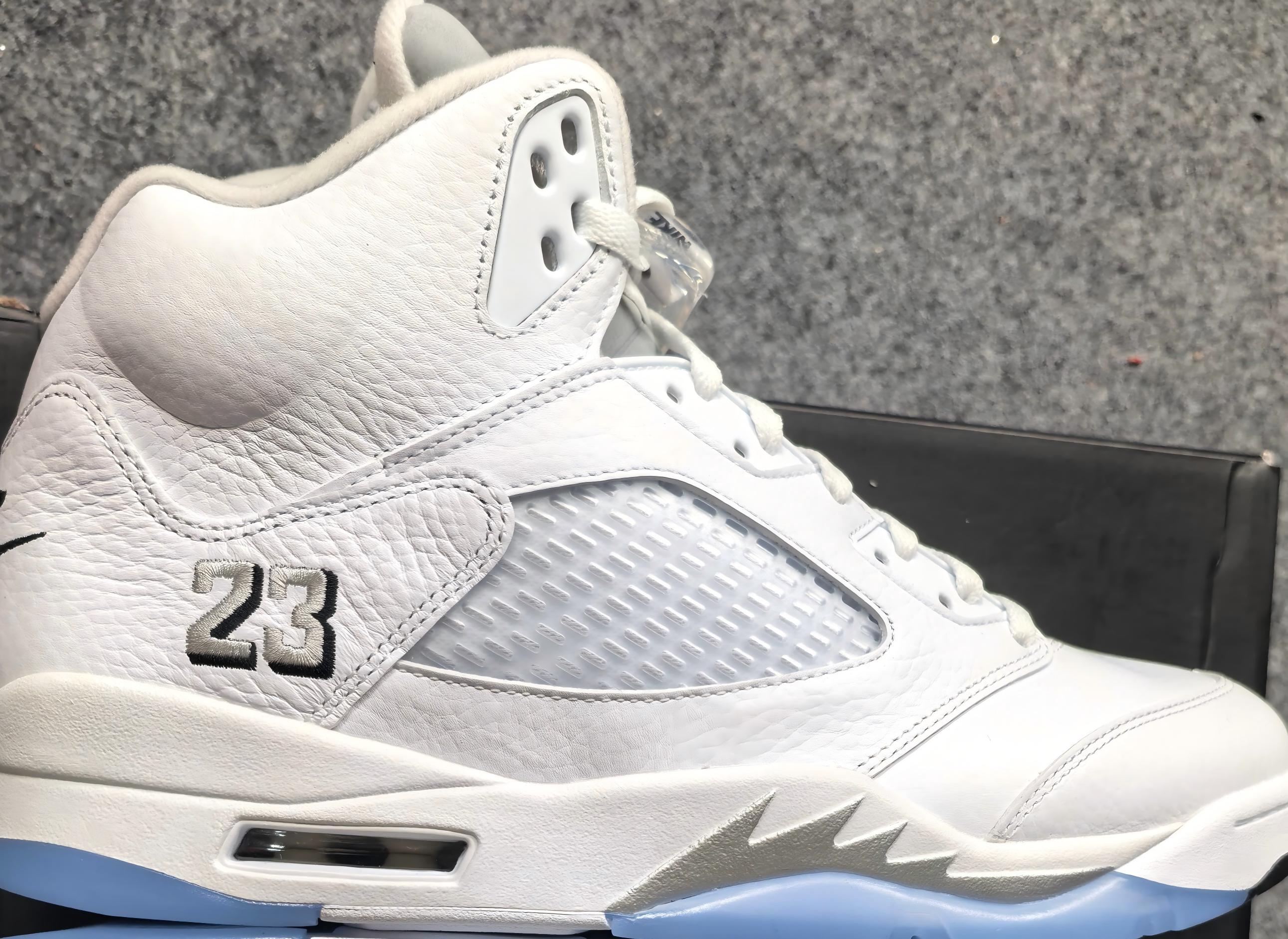
Understanding Quality Levels
Rep shoes are often grouped loosely into tiers:
- Low-tier: inexpensive, noticeable flaws, generally not recommended
- Mid-tier: acceptable for casual wear
- High-tier: better materials and shape accuracy, closer to retail
If you want a more structured breakdown of how materials and construction differ, this guide goes deeper into that topic:
Differences in shoe materials
For those looking into purchasing, it’s usually helpful to understand sourcing before choosing a pair:
/blogs/where-to-buy-rep-shoes
Are Rep Shoes Worth It?
The answer depends on what you care about.
They tend to make more sense if:
- You’re mainly interested in the look
- You want to avoid high resale prices
- You’re buying for regular wear
They may not be the right choice if:
- You collect sneakers
- Authenticity is important to you
- You plan to resell
A more detailed pros-and-cons breakdown is available here:
/blogs/are-rep-shoes-worth-it
How People Avoid Low-Quality Pairs
A common mistake is focusing only on price. Lower cost often correlates with lower accuracy and build quality.
Instead, people usually pay attention to:
- Real product photos (not stock images)
- Shape and proportions
- Stitching and finishing details
Some examples and options are typically organized here:
aktrende.top
Final Thoughts
Rep shoes exist because of the gap between demand, pricing, and availability in the sneaker market.
Whether they make sense depends less on the product itself and more on your expectations. For some, they’re a practical alternative. For others, they don’t meet the standard they’re looking for.
If you’re still comparing options, starting with a sourcing guide can help avoid common mistakes:
AKT