
Sneaker Reps: What Does It REALLY Mean? | Authentic vs Replica
What Does Reps Mean in Shoes? Are Reps Fake?
Sneaker culture has transformed from a niche hobby into a multibillion-dollar global phenomenon. With limited releases, exclusive collaborations, and artificial scarcity, getting your hands on a highly coveted pair of sneakers at retail price is harder than ever. As a result, the secondary market has exploded, pushing the prices of certain shoes into the thousands.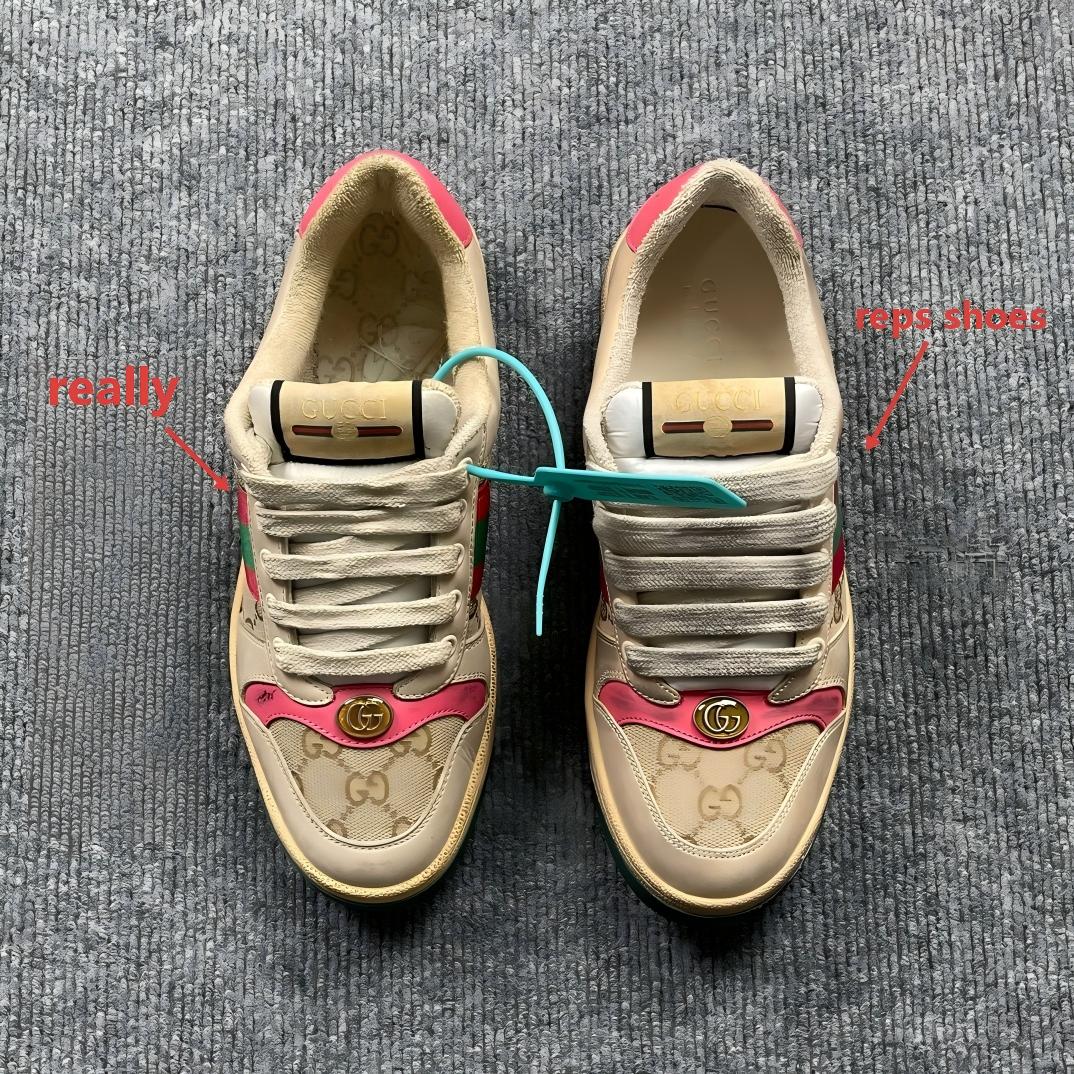
In the wake of these astronomical resale prices, a massive parallel market has emerged: the world of "reps." If you have spent any time on sneaker forums, TikTok, or Reddit, you have undoubtedly seen this term. But if you are new to the community, you might find yourself asking a very fundamental question: are reps fake? You may also wonder what does reps mean in shoes when you see the term used across social media.
In this comprehensive guide, we will dive deep into sneaker culture to uncover the truth about replicas. We will define the slang, explore the manufacturing differences, provide actionable authentication tips, and examine the ethical and legal risks of the counterfeit market.
What Does "Reps" Mean in Sneaker Culture?
To navigate the modern sneaker landscape, you first need to understand the terminology.
When you see reps meaning slang shoes, it is simply shorthand for "replicas." If you are wondering what does reps mean in shoes, it refers to unauthorized, counterfeit footwear designed to mimic the exact appearance of officially released, branded sneakers. In the context of reps meaning shoes, the term is used to soften the stigma associated with the word "fake," but make no mistake about their origins. If you’re just starting to explore this space, our guide to reps shoes explains everything you need to know in plain terms.
This brings us to the most common questions beginners ask: are reps shoes fake, and by extension, are reps real?
The answer requires a bit of nuance. Physically, yes, they are real shoes made of leather, rubber, and mesh that you can put on your feet. However, in terms of brand authenticity, intellectual property, and official licensing, they are 100% fake. They are not manufactured, endorsed, or quality-checked by brands like Nike, Adidas, or Jordan.
Reps vs. Retail: Breaking Down the Differences
For those asking what are the difference between reps and the actual shoes, the answer generally boils down to authorization, quality control, and price.
The "Unauthorized Authentic" (UA) Myth
You will frequently hear sellers use the term "UA" or Unauthorized Authentic. They claim these shoes are made in the exact same factories as the retail pairs, using the same materials, but were just smuggled out the back door or produced during an extra shift.
It is crucial to understand the difference between unauthorized authentic and retail: UA is largely a marketing myth. While a factory might use similar (or even stolen) blueprints, unauthorized authentic shoes are still replicas. They do not go through the brand's official quality assurance pipeline. If it did not come through an authorized retail channel, it is a rep.
Quality, Materials, and Batches
The replica market operates in tiers. Ten years ago, fakes were remarkably easy to spot. Today, the accuracy of high tier replica batches can be terrifyingly precise. Top-tier manufacturers often reverse-engineer a retail shoe to match the exact dimensions, weight, and color scheme.
However, differences usually emerge when you start comparing material quality of replica clothing and shoes to authentic pieces. While a high-tier rep might look identical on the outside, it may feature cheaper internal foams, stiffer leathers, or inferior cushioning technology (like fake Boost or Air units that lack actual bounce).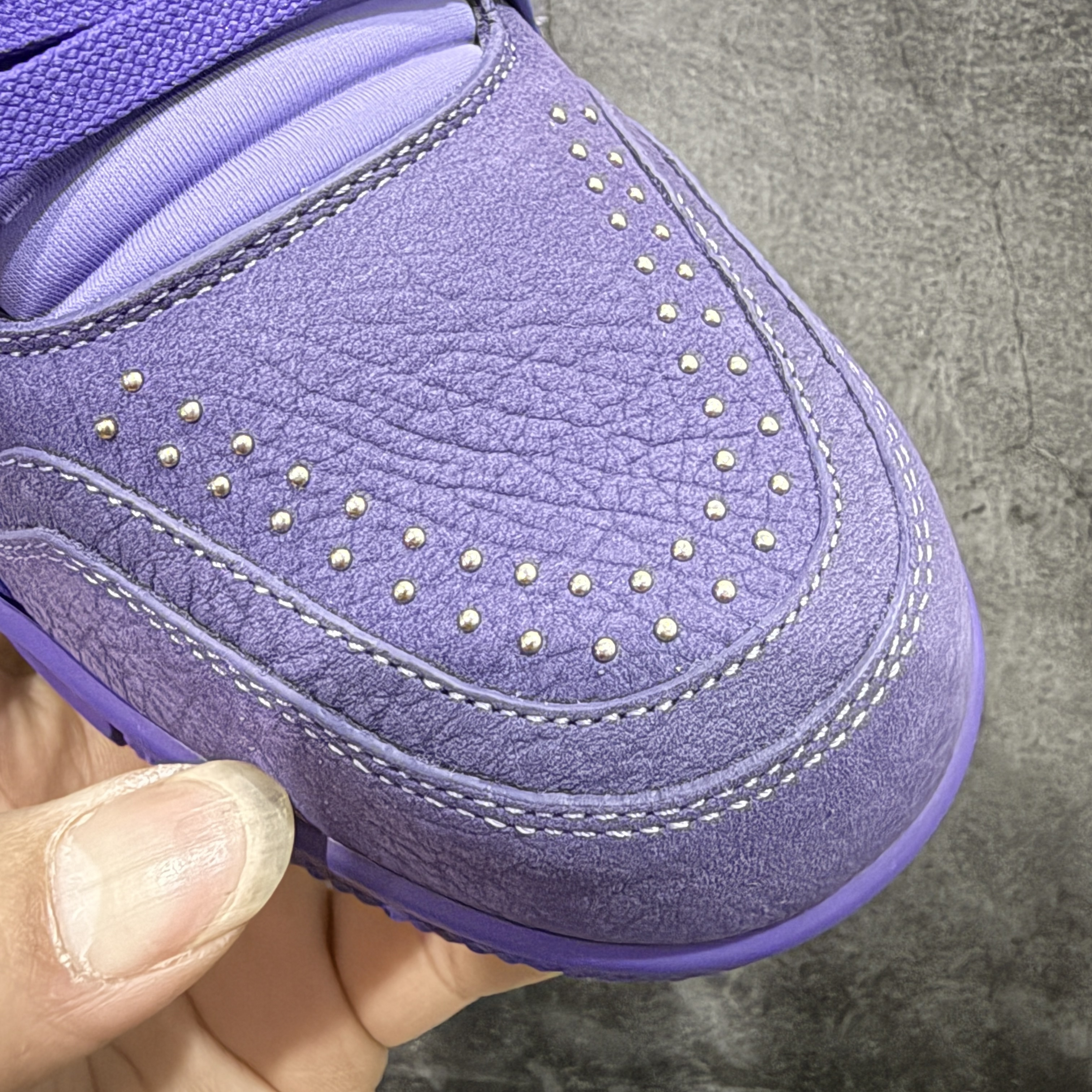
The Price Gap
The most significant driver of the replica market is the staggering difference between the retail price vs secondary market replica costs. A shoe that retails for $170 might sell for $1,500 on the authentic resale market. Meanwhile, a high-tier replica of that exact same shoe might cost $100 to $150. For many consumers who just want the "look" without emptying their bank accounts, this price discrepancy is too tempting to ignore. If you decide to explore the market, we’ve researched the best replica shoes websites to help you understand where high-quality reps are actually coming from in 2026.
How to Spot Replica Sneakers vs Originals
Because the replica market has become so advanced, knowing how to spot replica sneakers vs originals is an essential skill for any collector. Whether you are buying on eBay, Grailed, or locally, here is a reliable sneaker authentication process for beginners.
1. Inspect the Box and Packaging
Often, counterfeiters perfect the shoe but neglect the packaging. Look at the box label. Fake labels often use incorrect fonts, spacing, or faded ink. The cardboard itself might feel flimsy or have an unusual chemical smell due to cheap glue.
2. Verify Product Codes
A great first step is utilizing a guide to verifying product serial numbers. Every modern sneaker has a size tag inside with a specific SKU (Stock Keeping Unit) and serial number. Search this SKU online to ensure it matches the exact colorway and model. Additionally, scan the barcode or QR code on the box. While fakers can copy these, inconsistencies often appear in the production dates listed on the tags.
3. Check the Stitching and Labels
When spotting fake designer labels and stitching, precision is key. Authentic shoes feature tight, evenly spaced, and consistent stitching. One of the most common signs of low quality manufacturing in fakes is frayed threading, double-stitching where there should be single, or stitching that veers off-path.
4. Look for Common Manufacturing Flaws
When identifying common flaws in knockoff luxury items and hype sneakers, pay attention to the details:
Glue Stains: While retail pairs can have minor glue marks, reps often feature messy, excessive glue around the midsole.
The Smell Test: Replicas shipped directly from overseas factories often emit a pungent, toxic chemical smell (commonly referred to as "hydroxyfufu" by the community) because the glue hasn't had time to cure properly.
Insoles and Under-stitching: Pull out the insole. The stitching connecting the upper to the sole on an authentic pair is usually neat and uniform. Replicas often feature chaotic, loose threads hidden under the insole.
The Importance of Professional Authentication
Even with a keen eye, the modern super-fake can fool seasoned collectors. If you are dropping hundreds or thousands of dollars on a highly coveted pair, relying solely on your own judgment is risky.
This is where professional legit check services come into play. Apps and companies like CheckCheck (a trusted name in sneaker authentication), Legit App, or professional authenticators at consignment shops use advanced AI and expert human eyes to verify your items. They check UV light markings, internal stitching, and material grains that are invisible to the naked eye.
Authentication isn't just about peace of mind; it is about protecting your investment. The resale value of authenticated streetwear and sneakers remains high precisely because buyers are willing to pay a premium for guaranteed legitimacy. A sneaker with a certificate of authenticity from a trusted platform will always sell faster and for more money than an unverified pair. For a deeper look at authentication tools and methods trusted by collectors, explore the resources available at aktrende.top.
The Risks and Ethics of Buying Reps
While it might be tempting to save money by purchasing replicas, doing so comes with a unique set of hazards and moral considerations.
Marketplace Dangers
First, consider the risks of buying from counterfeit marketplaces. When you buy reps, you are generally sending money to unregulated, overseas sellers via unsecure payment methods (like wire transfers or friends-and-family PayPal). There is no customer service. If a seller decides to take your money and not ship the shoes, or sends you a terrible quality pair instead of the high-tier batch they promised (a classic "bait and switch"), you have zero recourse to get your money back.
Legal and Customs Brief Note
Buying counterfeit goods for personal use sits in a legal gray area in many regions. Customs seizures are rare for small parcels, but it’s something to be aware of. The best way to avoid any headaches is to buy from sellers who use discreet, reliable shipping methods. For a full breakdown on how to shop without running into trouble, see our guide on where to buy reps safely.
The Ethical Dilemma
Finally, one must consider the ethical impact of the replica industry. Authentic brands invest millions of dollars into design, research, and development, as well as marketing. Replicas steal that intellectual property outright.
More concerning is the human cost. Legitimate brands are held to international labor laws, environmental regulations, and factory safety standards. The underground counterfeit industry operates in the shadows. Buying reps often means funding unregulated factories where child labor, unsafe working conditions, and environmental negligence are rampant. Furthermore, profits from the global counterfeit trade have historically been linked to funding organized crime syndicates.
Conclusion: Navigating the Sneaker Market Safely
So, to circle back to our original question: are reps fake? Absolutely. They are unauthorized copies that bypass the original brand's quality control, legal oversight, and creative process.
Understanding the nuances of the replica market is a crucial part of being a modern sneakerhead. Whether you are actively trying to avoid getting scammed, or you are simply curious about how the underground market operates, knowledge is your best defense. For a detailed look at how to purchase without running into trouble, read our dedicated guide on where to buy reps safely.
Always remember that if a deal on the secondary market looks too good to be true, it almost certainly is. Protect your money by utilizing professional legit checkers, familiarizing yourself with authentic manufacturing standards, and buying from reputable, authenticated platforms. By staying informed, you can build a collection you are truly proud of—one genuine pair at a time.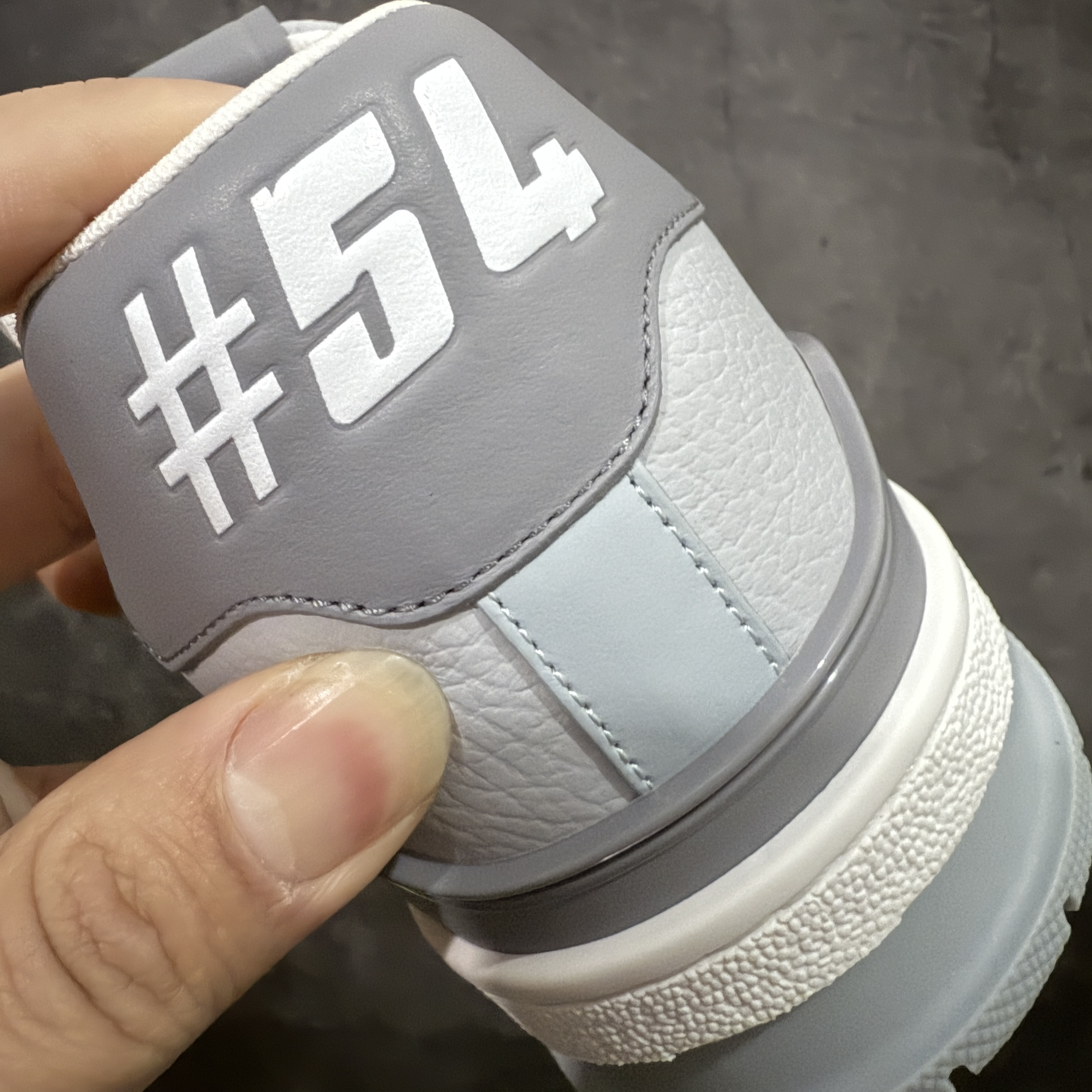
Want to stay ahead of the latest sneaker authentication tips and market insights? Visit aktrende.top for more guides and trusted resources.
Q&A
Question: What does “reps” mean in sneakers, and are reps fake?
Short answer: In sneaker slang, “reps” means replicas—unauthorized, counterfeit versions made to mimic official releases. They’re “real” as physical shoes you can wear, but they’re 100% fake in terms of brand authenticity, licensing, and quality control because they aren’t made, endorsed, or inspected by brands like Nike, Adidas, or Jordan.
Question: Are “UA” (Unauthorized Authentic) sneakers the same as retail pairs?
Short answer: No. “UA” is mostly a marketing myth. Even if a factory uses similar or stolen blueprints, shoes that don’t pass through a brand’s authorized production and quality-assurance pipeline are replicas. They may look close, but they aren’t legitimate retail products—and differences often show up in materials, internal components, and overall quality.
Question: How can I spot replica sneakers versus originals?
Short answer: Use a structured check:
Box/packaging: Inspect label fonts, spacing, print quality, cardboard sturdiness, and unusual chemical odors.
Product codes: Verify the SKU on the size tag matches the exact model/colorway; scan barcodes/QR codes and cross-check production dates.
Stitching/labels: Look for tight, even, consistent stitching; fakes often have fraying, double-stitches where they shouldn’t, or misaligned lines.
Common flaws: Excess glue, a strong uncured “factory” smell (often dubbed “hydroxyfufu”), and messy under-insole stitching are frequent giveaways.
Question: Why use professional authentication, and how does it affect resale value?
Short answer: Super-fakes can fool experienced collectors, so pro legit-checkers add crucial protection. Services and consignment authenticators (e.g., CheckCheck, Legit App) combine expert review with tools like UV light and material/grain analysis. Authenticated pairs command higher resale prices and sell faster because buyers pay a premium for verified legitimacy.
Question: What are the risks and ethical concerns of buying reps?
Short answer: Practical risks include scams on unregulated marketplaces, unsafe payment methods (e.g., wire, friends-and-family PayPal), bait-and-switch quality, and zero buyer recourse. Legally, importing counterfeits can lead to customs seizure and potential warnings; distribution is illegal, and personal-use laws vary. Ethically, replicas appropriate brands’ IP and may fund unregulated factories with poor labor and environmental standards, with profits historically linked to organized crime.